


Whoa! This started as a curiosity and ended up as a full-on obsession. I was fiddling with five different wallets last month, just trying to find one that felt right across my phone, tablet, and laptop. Something felt off about most of them — clunky UX, odd permission asks, or weird sync issues that made me wary. Initially I thought a single app could simply do everything, but then I realized that cross-platform consistency is harder than it looks, especially when privacy and key control matter.
Okay, so check this out—non‑custodial wallets put you fully in charge of your keys. Seriously? Yes. My instinct said that being the key holder is both liberating and a tiny bit terrifying, because you’re also the one responsible if something goes sideways. On one hand, custody means trusting a company; on the other hand, holding keys means you trust yourself and your backups. I’m biased, but that tradeoff is worth it for most everyday users who value sovereignty and portability.
Here’s the thing. Multi‑platform wallet design is not just about copying UI from mobile to desktop. It’s about preserving the same mental model, so when you switch devices you don’t feel lost. Medium sentence. Long sentence, though, when teams actually nail it they create a seamless thread of trust and utility that lets you sign transactions, check balances, and manage assets without relearning patterns every time you switch devices.
My first real test of a wallet’s cross‑platform commitment came when I needed to move funds during a power outage. Small panic. I grabbed my phone; the app prompted for a quick biometric, finished the send, and the desktop showed the change a minute later. It felt like magic. Well, not magic exactly—engineering and careful sync design. But seriously, it’s the little friction reductions that compound into genuine confidence.
Security is a checklist people talk about, but they rarely test under stress. Hmm… I tried restoring a seed on another device at 2 a.m. once, half asleep and very very skeptical. The recovery worked, but there were gotchas: passphrase prompts that weren’t clearly labeled and some UI copy that assumed advanced knowledge. Those small things bug me. They’re the difference between a wallet you can recommend to your mom and one you only use yourself.
Let me pause and be clear: I’m not saying any single wallet is perfect. Actually, wait—let me rephrase that: I haven’t found perfection, but I have found some wallets that are pragmatic and user‑respecting. My evaluation criteria are simple and practical—key control, cross‑device sync, coin support, fee transparency, and sane backup flows. On those axes, a few apps consistently stood out in my tests.
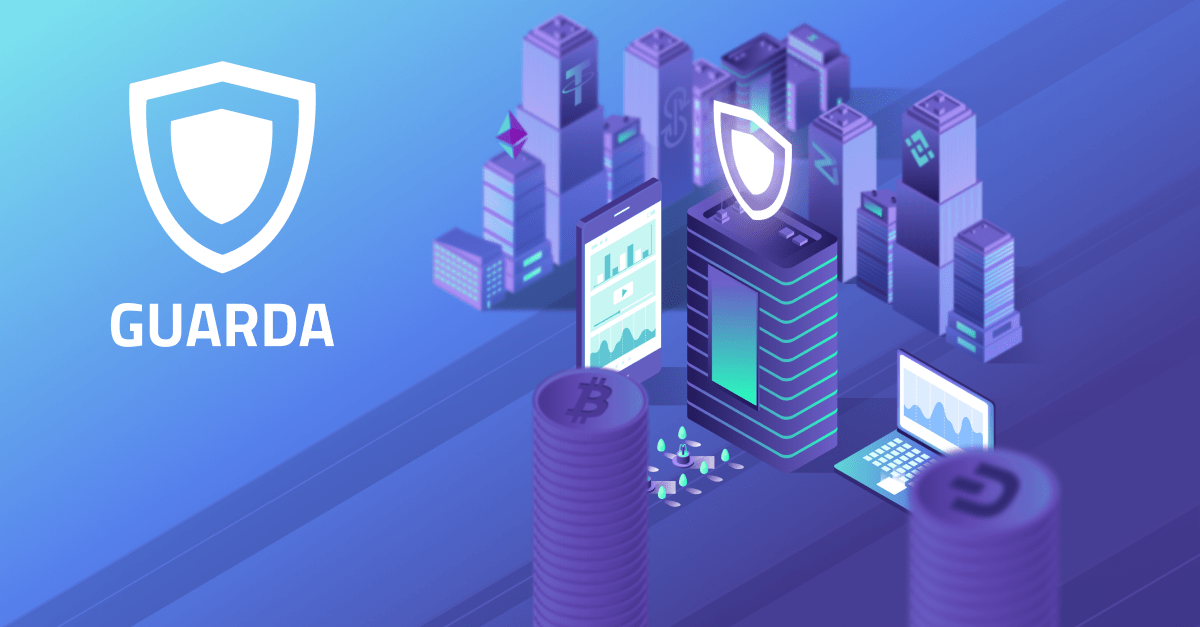
Guarda, for example, handled multi‑platform expectations well in my experience. My first brush with it was casual — a friend shared a link, I installed, and the basic flows just worked. Over time I liked how it kept the experience similar between iOS, Android, and desktop without forcing clunky workarounds. If you want to check it out directly, here’s a straightforward place to get the installer: guarda wallet download.
But hold on—there are nuances. On one side, Guarda offered broad token and chain support that made portfolio management easier. On the flip side, no app can support every niche chain or the latest token standard immediately, so sometimes I had to use command‑line tools or another wallet for a specific asset. On balance though, the convenience saved me hours over the month I used it.
Functionally, some features deserve highlight. Quick swaps and built‑in exchanges matter when you want to avoid extra KYC steps across platforms. Short thought. Atomic‑swap‑like flows, though not universal, reduce exposure to exchange custodians. Another thing: address book and label sync across devices is underrated; labeling reduces phishing risks and cognitive load when sending funds on the go.
Interface criticism incoming: many wallets still rely on dense, technical prompts that assume you know what gas is, or how nonces work. That’s a usability fail. On the other hand, those prompts sometimes protect you. So, it’s a balance. Initially I thought fewer prompts was better, but then I realized that layered guidance — beginner mode that can be toggled off — is the smarter path. Design teams, take note.
For people moving between devices a few practical tips I swear by: back up your seed and test the restore quickly, use a passphrase if you want plausible deniability, and keep a secure copy of your mnemonic offline. Simple. My habit is to write a mnemonic on paper, store it in a small fireproof envelope, and keep a second encrypted copy in a password manager I trust. That might sound old school, but redundancy matters.
One small tangent—(oh, and by the way…) I once lost access to a wallet because of a phone screen crack that prevented biometric unlock. Chaotic two hours. I learned to enable PIN fallback specifically for that failure mode. Tiny design choices like fallback mechanisms save you on bad days. They’re the kind of details that show whether a team has really thought through real human use.
What to expect from a modern non‑custodial, multi‑platform wallet
Friction reduction without compromising security. Fast sync, clear fee estimation, seed and passphrase management that’s obvious but not condescending. A good mobile app that mirrors desktop behavior, not a stripped‑down replica. Wallet integrations for DeFi and NFTs that play nice with hardware wallets if you prefer cold storage. Those are the things I look for, and if they’re missing, I slow down and rethink the tradeoffs.
FAQ
Is a multi‑platform wallet less secure than a single‑platform one?
Not inherently. Security depends on implementation, user practices, and whether the wallet gives you true key control. Multi‑platform wallets can increase risk if they sync keys insecurely, but most reputable non‑custodial wallets use encrypted backups and device‑specific protections. My instinct said “trust but verify”—so test restores and read their security docs.
Do I need a hardware wallet if I use Guarda or similar apps?
You don’t need one, but if you hold significant assets, hardware wallets add a layer of protection that software alone can’t match. For many users, a software non‑custodial wallet covers daily needs; for moon shots or long‑term holdings, cold storage is the safer bet.

![经典老歌DTS限量珍藏版-合集2-[5.1声道-DTS-WAV]-九九音乐网](https://img-south-oss.guoguo.org.cn/9top/uploads/2023/10/srchttp___img.alicdn.com_bao_uploaded_i1_515074408_O1CN01CXOOTQ1iQuWR3IGFe_0-item_pic_070353.jpg)
![100首好听的流行歌曲大全[5.1声道-DTS-WAV]-九九音乐网](https://img-south-oss.guoguo.org.cn/9top/uploads/2023/04/f6af8d1b-1ab8-4992-b333-f3f037cc5ba7.jpg)
![粤语老歌合集,百听不厌经典CD1-[5.1声道-DTS-WAV]-九九音乐网](https://img-south-oss.guoguo.org.cn/9top/uploads/2023/11/360截图20231101084029629_084437.jpg)


![流行合集,粤语试音经典-[5.1声道-DTS-WAV]-九九音乐网](https://img-south-oss.guoguo.org.cn/9top/uploads/2023/10/batch_ABUIABACGAAgn_uqiAYo3pPipQUwxAQ4xAQ_110340.jpg)
![群星极致发烧人声合集[5.1声道-DTS-WAV]-九九音乐网](https://img-south-oss.guoguo.org.cn/9top/uploads/2023/10/batch_608f2955-7402-4c5f-9ce7-dbc757266348_110406.jpg)

![100首必听流行歌曲CD5群星《流行金曲大全》[5.1声道-DTS-WAV]-九九音乐网](https://img-south-oss.guoguo.org.cn/9top/uploads/2023/04/87f65ae21c9df79b7adf6bb42f54ad7c_22988d73-376f-4b15-a1aa-b670482212f0-3.jpg)


暂无评论内容